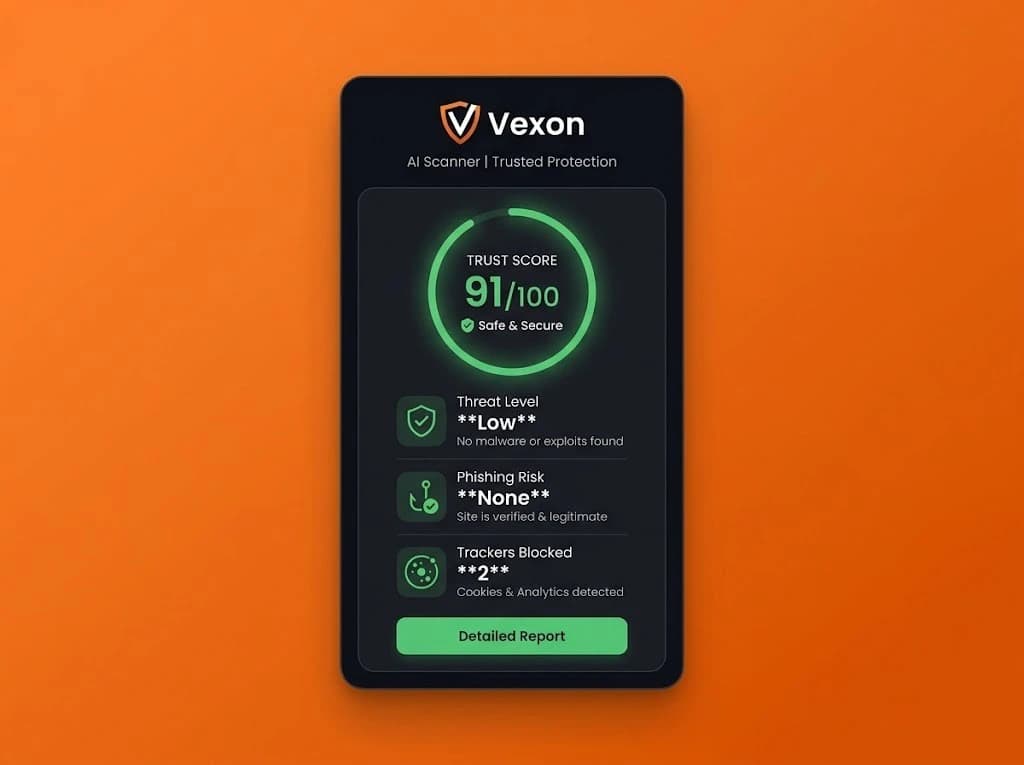
The moment your VPN drops, 6 critical privacy vulnerabilities are exposed. Learn how to prevent DNS leaks and hide IP address Chrome connections with real-time browser protection.
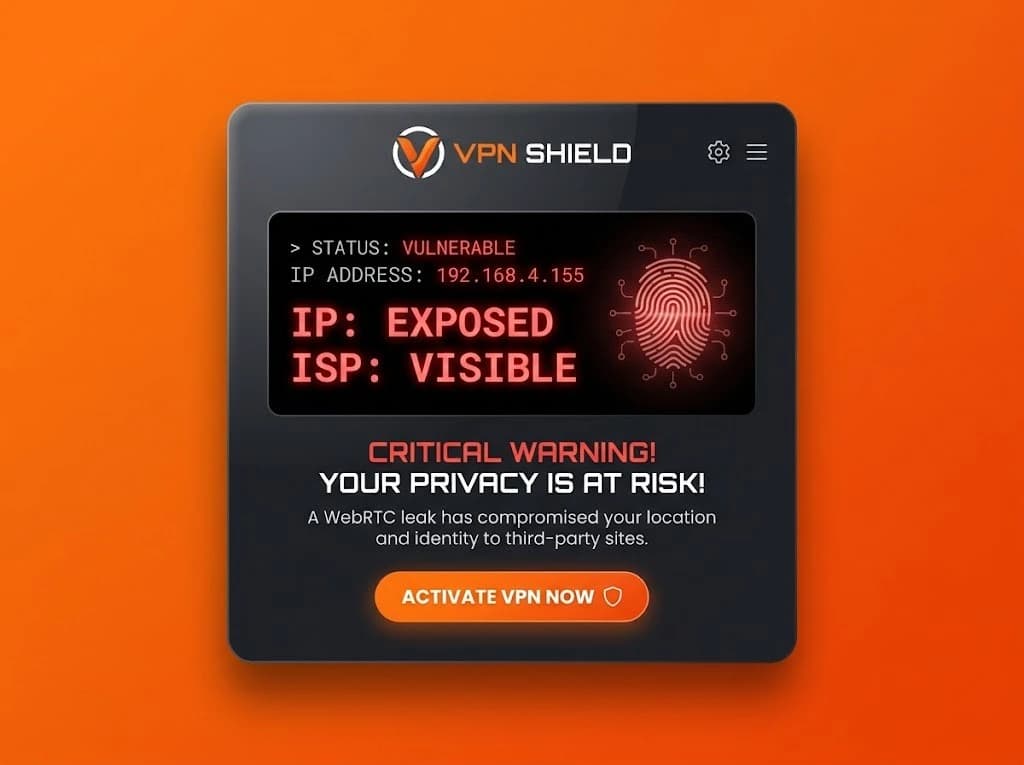
When your VPN connection drops unexpectedly, your browser instantly loses DNS leak protection and exposes your actual geographical location. For most standard VPN applications, the reconnection window takes between 4 and 18 seconds. During this window, your browser sends unencrypted requests over your ISP connection unless you actively prevent DNS leaks and hide IP address Chrome traffic with browser-level protection.
Here is an in-depth breakdown of the 6 critical privacy and identity risks exposed during a VPN disconnection.
1. Real IP Exposure: Why You Must Hide IP Address Chrome Connections
The moment the tunnel drops, your browser immediately reverts to your ISP's connection. Every active tab, background script, or WebSocket connection broadcasts your actual IP address. If you had 7 tabs open, 7 remote servers just recorded your real identity. Utilizing reliable methods to hide IP address Chrome sessions ensures no packet leaves your machine unprotected.
2. ISP Identity Logging & Geographical Tracking
IP addresses directly correlate with Internet Service Providers and geographical locations. Network observers can identify not only your city and district, but also your corporate network or broadband provider. In many jurisdictions, ISPs legally record all connection events during this unprotected window.
3. Unencrypted Queries: How to Prevent DNS Leaks
During a connection failure, operating system DNS resolvers default to your ISP's fallback DNS servers. This means every domain you look up is recorded in a plaintext log. The only way to prevent DNS leaks is through an automated kill switch that cuts DNS resolution the millisecond the proxy tunnel drops.
4. WebRTC Leak Fix and STUN Fingerprinting
WebRTC vulnerabilities can expose your private and public IP addresses even before a VPN disconnects. When the VPN drops, STUN requests immediately leak your true external address across open communication channels. A dedicated WebRTC leak fix blocks these STUN packets directly within Chrome.
5. Persistent Browser Fingerprinting Across Reconnections
Browser fingerprinting bypasses conventional VPNs completely. Your screen resolution, installed extensions, font configurations, WebGL renderer, and system timezone form a digital fingerprint that identifies 1 in 286,000 browsers. Trackers correlate this fingerprint across IP changes and reconnections.
6. Real-Time Session Continuity and Authentication Exposure
If you were authenticated to sensitive accounts when the connection dropped, remote servers log both your authenticated session token and your real IP in the same access entry. Your online accounts become permanently linked to your physical IP address in corporate databases.
Advanced DNS Leak Protection: The Permanent Browser Solution
A system-wide VPN kill switch is not enough because browser processes run asynchronously. Browser-level proxy protection intercepts every Chrome request before it reaches the operating system network stack. When the proxy tunnel drops, Vexon immediately halts Chrome outbound traffic with zero packet leakage.
By combining an instantaneous kill switch, a WebRTC leak fix, and automated DNS leak protection, your real identity remains secure even during abrupt server failures.