Vexon
INTELLIGENCE & RESEARCH DISPATCH
REAL TALK ON BROWSER PRIVACY, LEAKS, ONLINE THREATS, AND WHAT ACTUALLY KEEPS YOU PROTECTED.
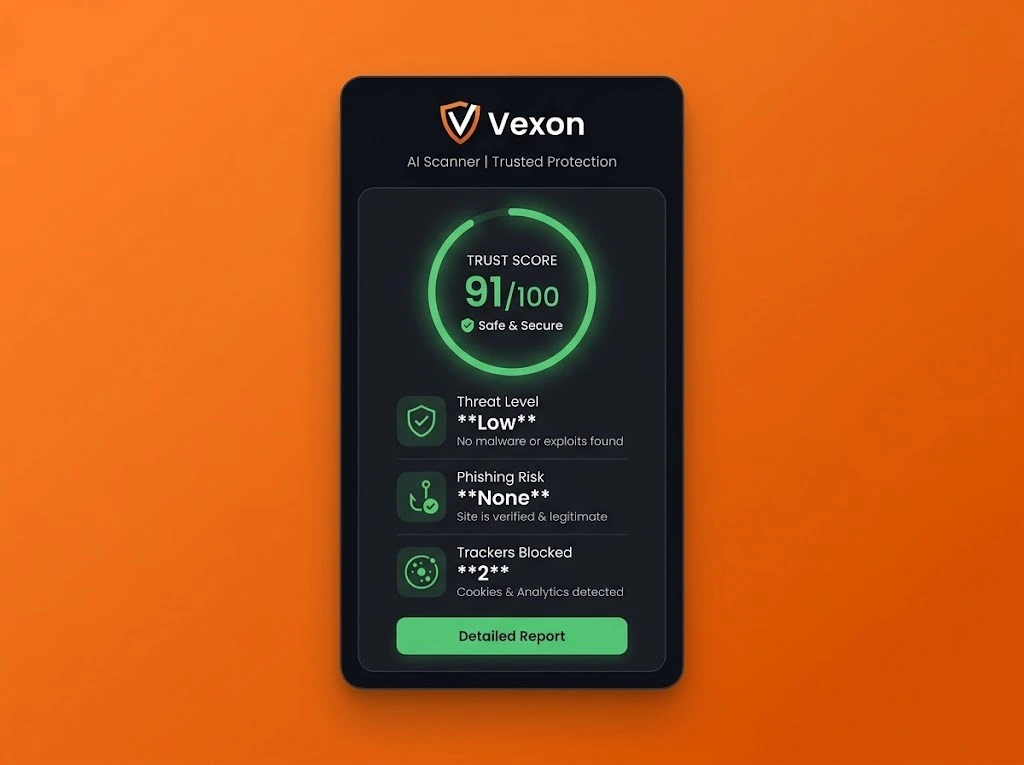
Vexon AI Scanner Launches Today
Every site now gets a real-time threat score, phishing check and tracker count from our AI engine before your browser loads it
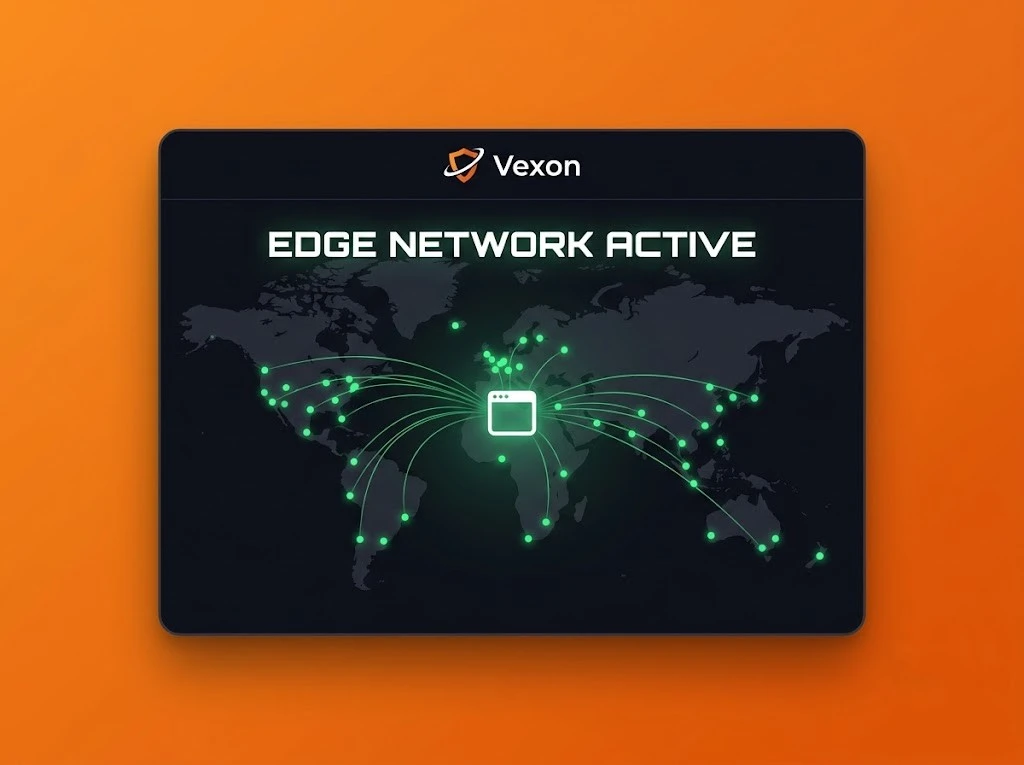
Why Our Browser VPN Extension Relies on Edge Networks
Running traditional VPN servers is costly, fragile, and inefficient. Our browser VPN extension routes through edge nodes to provide seamless privacy without legacy overhead.
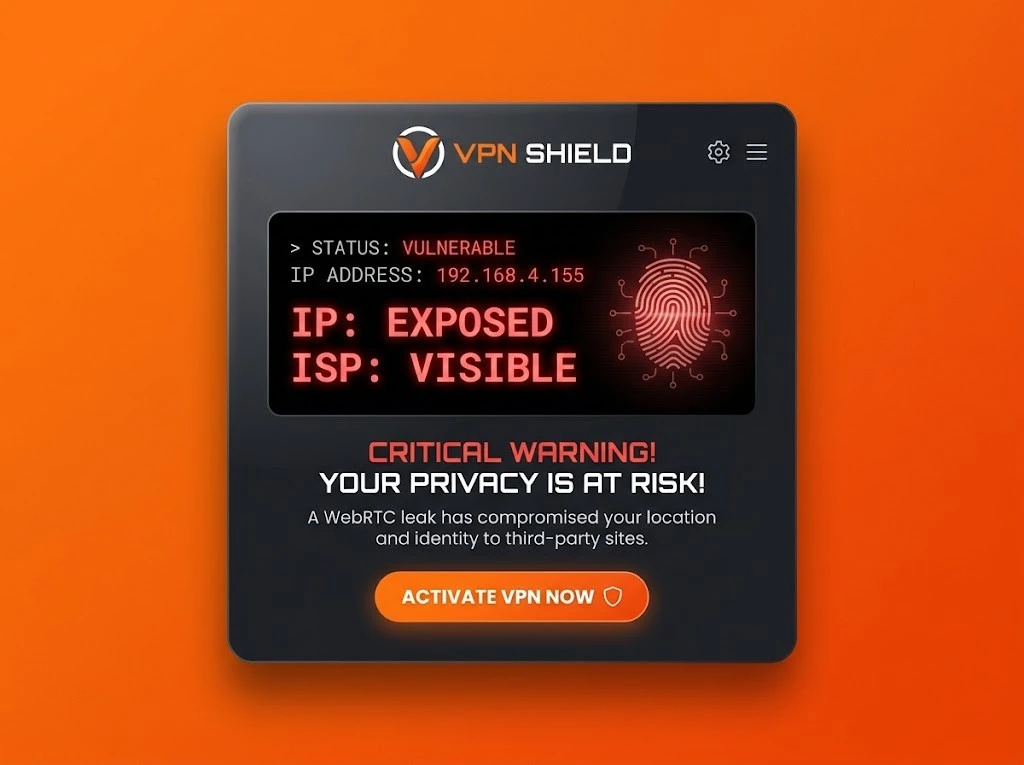
What Websites See When Your VPN Fails: How to Prevent DNS Leaks & Hide IP Address Chrome
The moment your VPN drops, 6 critical privacy vulnerabilities are exposed. Learn how to prevent DNS leaks and hide IP address Chrome connections with real-time browser protection.
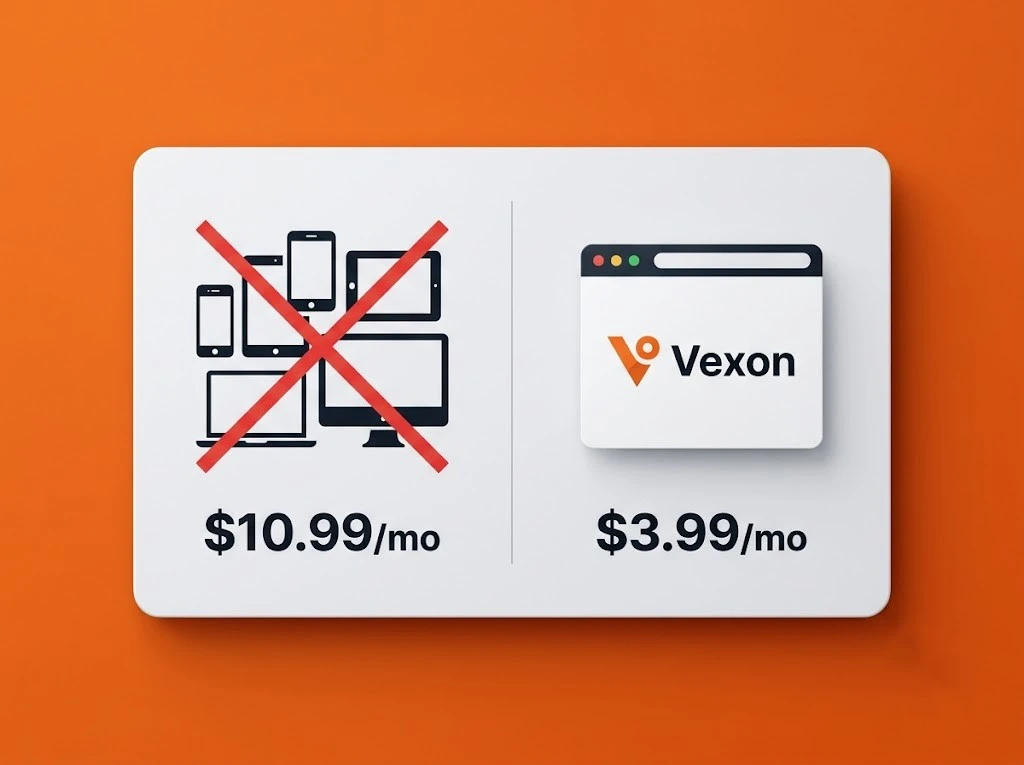
Stop Overpaying: Best Chrome Extension Hide IP & VPN
Why pay $10/month for a device VPN when you only browse on Chrome? Protect your browser with real-time DNS leak protection and instant IP hiding.
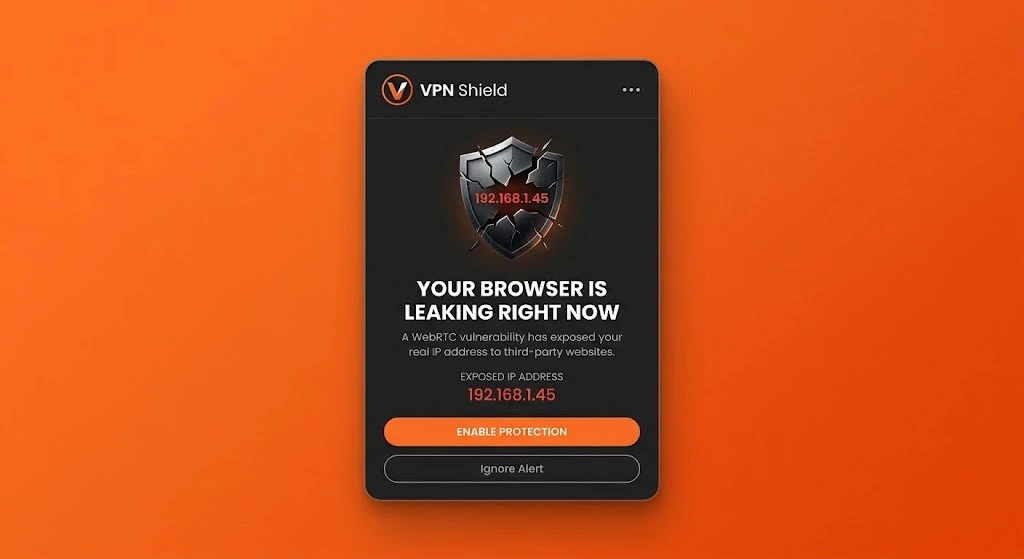
How to Prevent DNS Leaks and Browser IP Exposure
23% of VPN users expose their real IP to every website they visit... silently, automatically, without a single warning
Frequently Asked Questions
On Privacy & Threat Intelligence
Architecture, DNS leak protection, AI threat scanner heuristics, and browser extensions — answered directly.
hello@snippipedia.com
What is an AI threat scanner browser and how does it stop zero-day phishing?
An AI threat scanner browser extension evaluates URL syntax, domain anomalies, brand squatting, and tracker density directly in volatile memory before web pages load. Unlike passive blocklists, real-time machine learning threat intelligence analyzes zero-day hazards instantly, ensuring full DNS leak protection and hardened encryption across modern Chromium and edge browser extensions.
How do edge browser extensions deliver DNS leak protection?
Traditional virtual private networks route browser traffic through centralized legacy servers, introducing latency spikes and silent connection dropouts that leak DNS queries to local Internet Service Providers. Using globally distributed edge anycast nodes, high-performance edge browser extensions and upcoming Firefox Browser App integrations intercept socket requests directly at the application layer. This architecture enforces continuous DNS leak protection, blocks WebRTC STUN fingerprinting, and conceals user coordinates without operating-system-level software overhead.
How does Firefox Browser App privacy compare to Chrome extensions?
The upcoming Firefox Browser App integration leverages container tab DNS isolation and hardened socket-level proxy policies. While Chrome extensions utilize Declarative Net Request APIs, Firefox container tabs isolate session cookies and tracker state per origin, preventing cross-site correlation while maintaining zero DNS leaks across global anycast nodes.
How does Vexon prevent WebRTC STUN IP address leaks?
WebRTC uses STUN protocols to facilitate real-time peer-to-peer media streams, which frequently bypass proxy settings and expose authentic client IP addresses to JavaScript. Vexon disables unauthorized WebRTC candidate gathering and enforces strict socket isolation, ensuring that only proxy IP addresses are exposed to third-party endpoints.
How frequently are threat vulnerability dispatches and CVE analyses updated?
Our research team continuously publishes real-time threat intelligence bulletins, CVE analyses, and protocol leak remediation updates directly to this dispatch hub as new zero-day exploits and tracker techniques are discovered.